
Year 1
What have we been learning this week?
Week beginning Monday 5th October 2026
Another busy week in Year 1!
This week in English the children have discussed what we use instructions for. They then wrote their own instructions for how to make a 'Disgusting Sandwich'. The end of the week saw us move onto a new unit of writing using the book The Queens Hat as our hook. A mysterious blue hat turned up at Fleet Infant School and the children were buzzing about where it could have come from! In Maths we have been continuing to look at measures and have been measuring classroom objects using non-standard units of measurement (such as multilink, paper clips and dice!). The children thoroughly enjoyed estimating how many cubes long things around the classroom are!
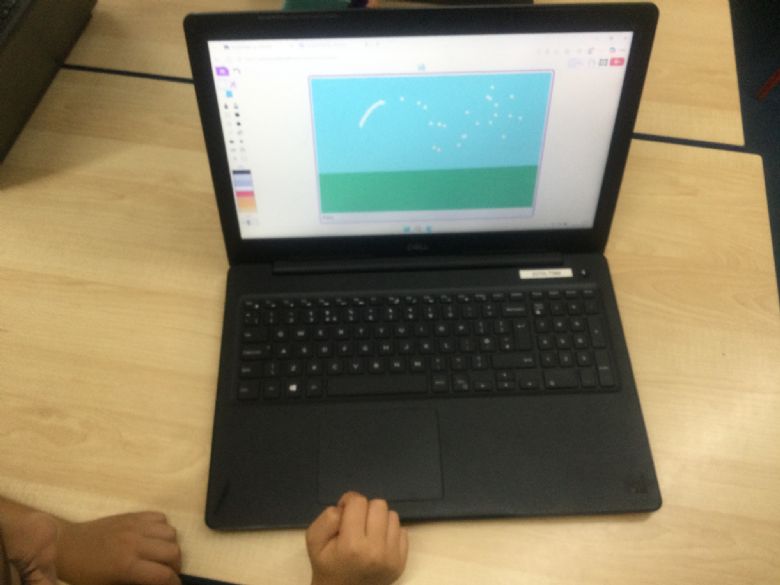
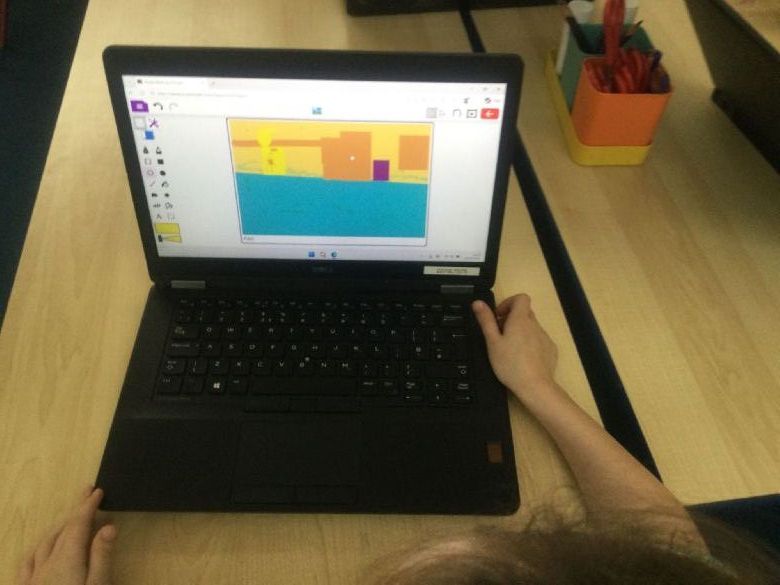
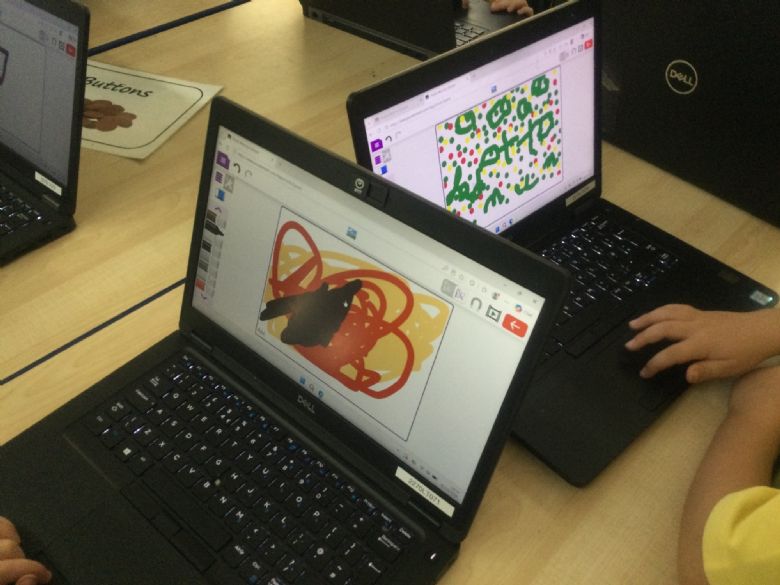
In our PSHE lessons this half term the focus has been on 'Me and My relationships'. The children have thought about their feelings and the feelings of others and have discussed trusted people they can speak to. In Computing the children have continued to use the program Purple Mash to begin creating their own digital artwork.
How you can help:
Please can you practise changing clothes with your child to support us in school when getting changed for PE.
Now the weather has turned and coats are going to be needed. Please also help your child practise zipping up their coat by themselves.
Please continue to read their school book at home. Please ensure your child has their school reading book with them every Thursday so it can be returned and a new one issued. If their previous book is not returned, they will not be issued their next book until it is.
Year 1 Curriculum Meeting
Please see below, the Curriculum Meeting presentation shared with parents on Thursday 17th September 2026.
Welcome
Welcome back to all our wonderful Year 1 children and their families. We hope you all had a lovely Summer break and enjoyed some family time. We will be starting the year with our new topic 'Enchanted Forest'.
.png)
Year 1 - Spring Term Curriculum Map
Our Topic this term is 'Around the World'. Below are some of the things the children will be learning this term.
.png)
Year 1 - Summer Term Curriculum Map
Our Topic this term is 'Animals and Plants'. Below are some of the things the children will be learning this term.
.png)
How can I support my child at home?
.jpg)
- It is extremely important that your child uses a comfortable and efficient pencil grip, even though this may not be the same as your own. This should be the pincer grip. See picture above.
- Help your child to practise dressing and undressing including being able to turn clothes the right way out.
- Help your child to practise putting on his/her coat and doing/undoing the fastenings, including zips.
- Practise cutting up food so they can use a knife and fork in the dinner hall.
- Develop independence and thinking skills by encouraging your child to think for themselves and solve simple problems with minimal prompting
- Play games which might involve turn taking, rolling dice or moving counters
- Share stories together, discussing the pictures, plot and characters
- Listen to your child read their school reading books daily and complete the reading worm.
- Read and spell words from the Year R and Year 1 Common Exception Words.
- Practise writing your child's full name with correct letter formation and a capital letter to start.
- Practise individual letters, starting in the correct place
- Read, write and order numbers from 0-50 and 0-100
- Count forwards and backwards from 0-50/50-0 and 0-100/100-0
- Practise mental maths toolkits, little and often, to embed skills (copies of these below).
- Finding pairs of numbers that make 10 as well as other numbers e.g. 5 = 0+5, 1+4, 2+3, 3+2, 4+1, 5+0
Key information
Key words
In Year 1 it is expected that children will read key words on sight, or be able to fluently apply their phonics to read them. Throughout the year children will also be learning to spell these words. Some of these words are 'tricky words' that cannot be sounded out (e.g. said) and some of these words require the children to apply their phonics knowledge (e.g. sound). Please use the lists above (for spellings) as these are also the words that the children will be covering in Year 1, through their phonics lessons, spelling time and the English curriculum. It would be really helpful to practice reading a few words at a time at home too.
Reading
Your child will bring home a scheme book appropriate for their reading level in their book bag each day. Once the book has been read either at home or school, and this has been recorded in the reading diary, your child will be able to change their book to get the next one in that particular scheme. Thank you for your continued support in reading regularly with your child at home.
Phonics
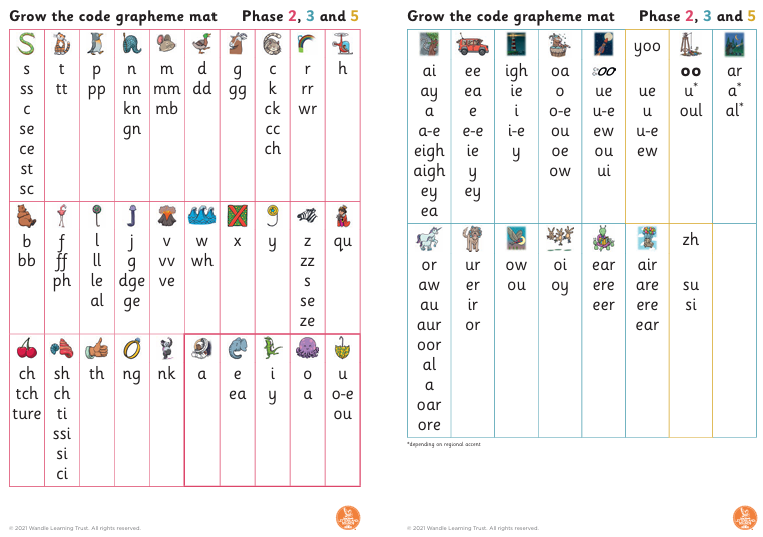
When supporting your child with their reading, you may find it useful to refer to these sounds. As well as the individual alphabet sounds (e.g. the 'd' sound in 'dog'), your child will also learn these digraphs (sounds with two letters) and trigraphs (sounds with three letters).
Mental Maths Toolkits